
COurse OUtcomes
Raibenshe folk dance summary
Raibenshe, a vibrant folk martial dance from West Bengal, particularly thrives in Birbhum’s
Charkolgram, performed traditionally by men from the Bagdi, Bauri, and Dom communities.
Known for its energetic, acrobatic movements, the dance incorporates bamboo sticks
(rayray), war-like gestures, drumbeats, and brass anklets, embodying the warrior spirit of
medieval Bengal. The name Raibenshe, derived from “Rai” (royal) and “benshe” (bamboo),
reflects its origins as a martial practice for hired soldiers protecting kings and landlords.
Revived in 1929 by Gurusaday Dutt, it became a celebrated part of Bengal’s cultural heritage
through school programs and festivals.
Despite its cultural richness, Raibenshe faces significant threats to its survival. Performance
opportunities have sharply declined, dropping from 7-8 to 4-5 annual contracts, with no
recent invitations beyond West Bengal. Financial support is limited, with the Lokprasar
Prakalpa scheme offering a mere 1,000-rupee monthly pension, often misdirected to
fraudulent registrants. Systemic issues, such as unpaid performances at government events
and lack of aid for artists with disabilities or injuries, further endanger the tradition. The
dance’s demanding physical requirements and minimal financial rewards discourage younger
generations, who are reluctant to invest years in mastering it, pushing Raibenshe toward
extinction.'
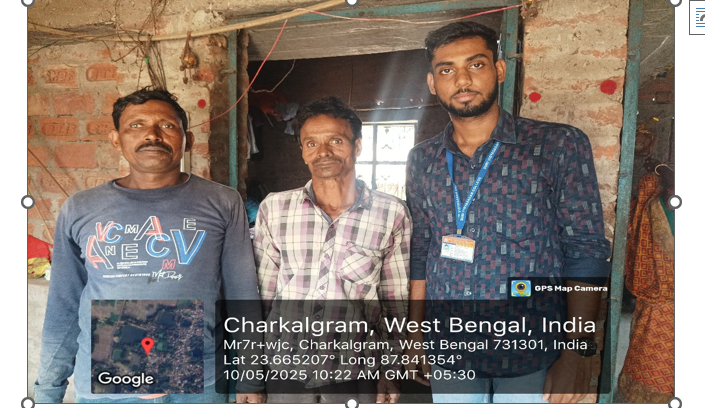 Efforts to preserve Raibenshe center on Charkolgram’s Charkal Gram Raybenshe Bratachari
Sangha, a registered group led by Shibram Pramanik with 30 members, including veterans
like Rakshakar and Ranjit Pramanik. This group performs at events like the West Bengal
government’s Duare Sarkar Scheme and cultural festivals, earning accolades such as an
award from the Governor of West Bengal in 1994. Performances at festivals like Poush Mela
and Biswa Bangla Lokasankriti Utsav showcase Raibenshe’s martial choreography and
cultural significance, fostering community pride and connecting audiences to Bengal’s
historical warrior traditions.
To ensure Raibenshe’s survival, stronger government intervention is critical. This includes
increasing financial assistance, implementing robust verification processes to ensure benefits
reach genuine artists, and creating more performance opportunities to boost demand.
Community efforts, such as those by the Charkolgram group, continue to sustain the dance,
but broader support is needed to address socio-economic and systemic barriers. Raibenshe
remains a powerful symbol of Bengal’s heritage, with its acrobatic movements and deep
historical roots deserving wider recognition to inspire future generations and prevent its loss.
Efforts to preserve Raibenshe center on Charkolgram’s Charkal Gram Raybenshe Bratachari
Sangha, a registered group led by Shibram Pramanik with 30 members, including veterans
like Rakshakar and Ranjit Pramanik. This group performs at events like the West Bengal
government’s Duare Sarkar Scheme and cultural festivals, earning accolades such as an
award from the Governor of West Bengal in 1994. Performances at festivals like Poush Mela
and Biswa Bangla Lokasankriti Utsav showcase Raibenshe’s martial choreography and
cultural significance, fostering community pride and connecting audiences to Bengal’s
historical warrior traditions.
To ensure Raibenshe’s survival, stronger government intervention is critical. This includes
increasing financial assistance, implementing robust verification processes to ensure benefits
reach genuine artists, and creating more performance opportunities to boost demand.
Community efforts, such as those by the Charkolgram group, continue to sustain the dance,
but broader support is needed to address socio-economic and systemic barriers. Raibenshe
remains a powerful symbol of Bengal’s heritage, with its acrobatic movements and deep
historical roots deserving wider recognition to inspire future generations and prevent its loss.
Efforts to preserve Raibenshe center on Charkolgram’s Charkal Gram Raybenshe Bratachari
Sangha, a registered group led by Shibram Pramanik with 30 members, including veterans
like Rakshakar and Ranjit Pramanik. This group performs at events like the West Bengal
government’s Duare Sarkar Scheme and cultural festivals, earning accolades such as an
award from the Governor of West Bengal in 1994. Performances at festivals like Poush Mela
and Biswa Bangla Lokasankriti Utsav showcase Raibenshe’s martial choreography and
cultural significance, fostering community pride and connecting audiences to Bengal’s
historical warrior traditions.
To ensure Raibenshe’s survival, stronger government intervention is critical. This includes
increasing financial assistance, implementing robust verification processes to ensure benefits
reach genuine artists, and creating more performance opportunities to boost demand.
Community efforts, such as those by the Charkolgram group, continue to sustain the dance,
but broader support is needed to address socio-economic and systemic barriers. Raibenshe
remains a powerful symbol of Bengal’s heritage, with its acrobatic movements and deep
historical roots deserving wider recognition to inspire future generations and prevent its loss.